Key Factors to Consider When Building Your Dream Oasis
Building a pool is a significant investment, and choosing the right materials is crucial for durability, aesthetics, and functionality. With so many options available, it can be overwhelming to make the best choice for your backyard oasis. Understanding the various materials and their benefits will help you create a pool that meets your needs and stands the test of time.
Understanding Material Options
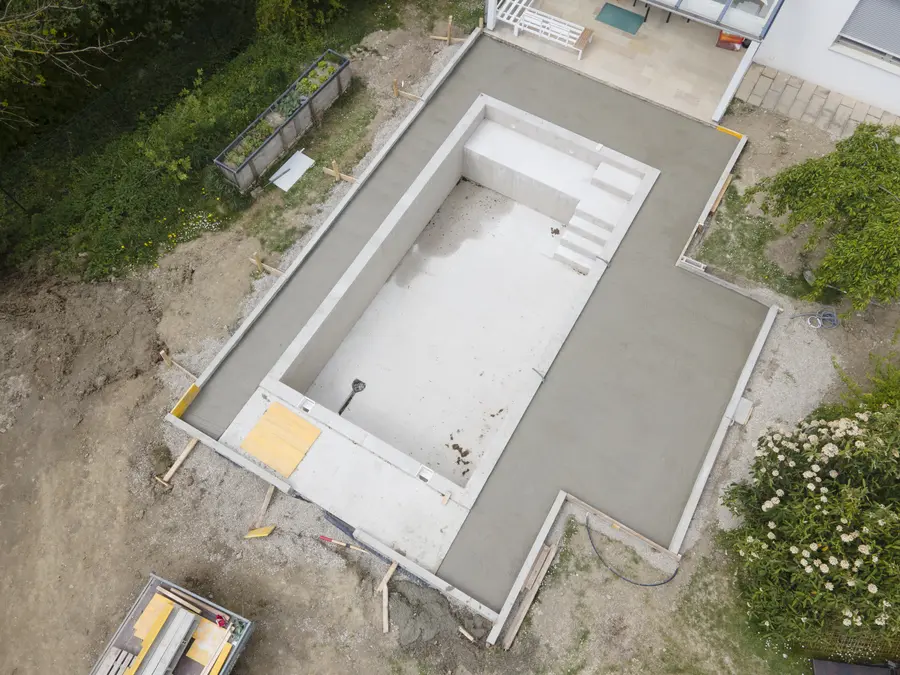
The first step in pool construction is understanding the different material options available. Common choices include concrete, fiberglass, and vinyl. Each material offers unique advantages and disadvantages. Concrete is known for its versatility and strength, while fiberglass provides a smooth finish and low maintenance. Vinyl pools are popular for their affordability and ease of installation.
Durability Matters
When considering materials for pool construction, durability should be at the forefront of your decision-making process. Concrete pools are highly durable and customizable but may require more maintenance over time. Fiberglass pools boast long-lasting finishes that resist algae growth, reducing cleaning efforts. Vinyl liners offer flexibility in design but may need replacement every few years.
Aesthetic Appeal of Materials
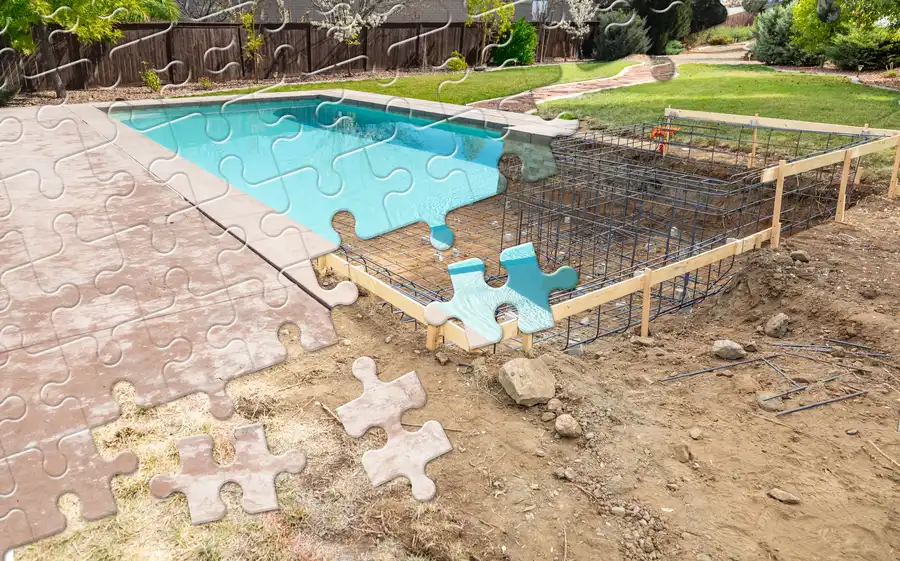
The visual appeal of your pool is another critical factor when selecting materials. Concrete offers endless customization with colors, textures, and shapes to match any aesthetic preference. Fiberglass pools provide sleek designs with built-in features like steps and seating areas. Vinyl liners come in various patterns and colors, allowing you to personalize your pool’s appearance easily.
Cost Considerations
Budget plays a significant role in deciding which materials to use for your pool project. Concrete pools tend to have higher initial costs due to labor-intensive installation processes but can add substantial value to your property. Fiberglass pools offer mid-range pricing with lower maintenance costs over time. Vinyl liner pools are generally the most affordable option upfront.
Maintenance Requirements
Different pool materials come with varying levels of required maintenance. Concrete pools often need regular resurfacing and sealing to prevent cracks and leaks. Fiberglass surfaces are non-porous, making them easier to clean and less prone to staining. Vinyl liners demand careful handling to avoid tears but are straightforward to replace if necessary.
- Concrete: Highly customizable, requires more maintenance
- Fiberglass: Low-maintenance, sleek design
- Vinyl: Cost-effective, easy installation
Environmental Impact
The environmental impact of pool materials is an important consideration for eco-conscious homeowners. Concrete production involves significant energy consumption and CO₂ emissions but lasts for decades with proper care. Fiberglass manufacturing has a moderate environmental footprint with efficient energy usage during production. Vinyl liners are petroleum-based products but can be recycled at the end of their lifespan.
Expert Recommendations
Professional advice can significantly influence your material choice for pool construction. Industry experts suggest evaluating factors such as climate, soil conditions, and intended use before making a final decision. Consulting with experienced contractors ensures that you select materials suited to local conditions and personal preferences.
Your Ideal Pool Awaits
Selecting the right materials for your dream pool involves weighing factors like cost, durability, aesthetics, and maintenance needs. Partnering with JV Pools guarantees expert guidance tailored to your unique situation. For those residing in Royse City, TX, our team is ready to assist with all aspects of pool building. Contact us at (972) 460-5914 to start bringing your vision to life today.